Why Fall May Be the Perfect Time to See Alaska’s Northern Lights
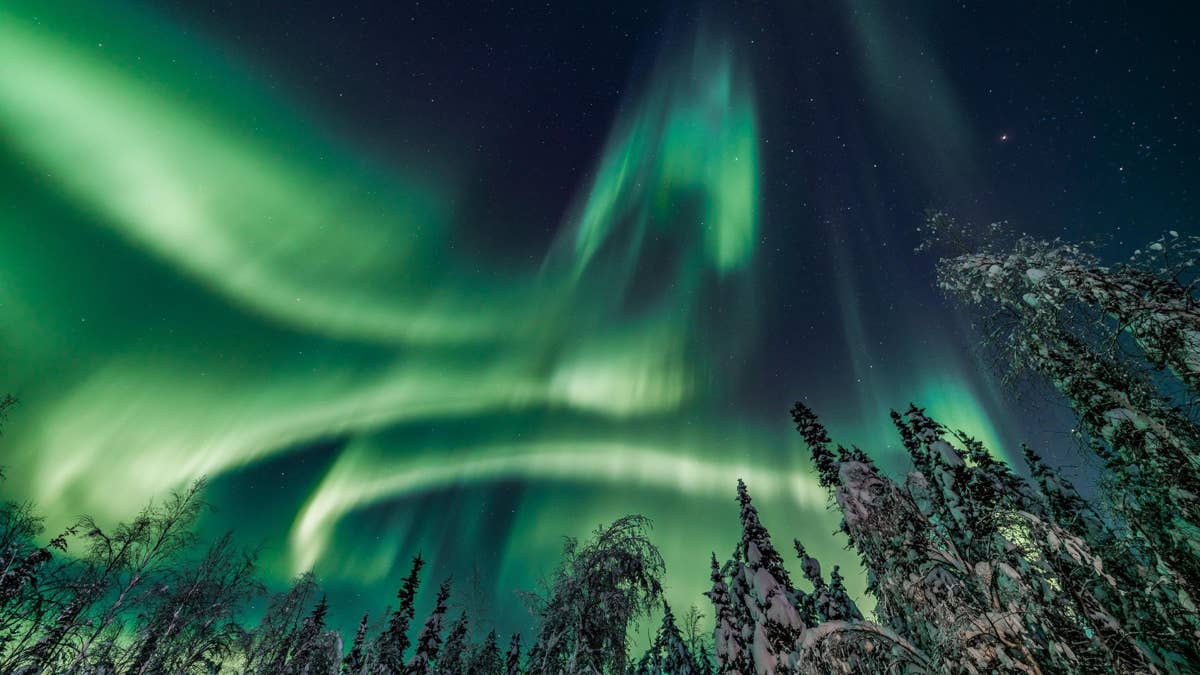
Summer may be over in Alaska, but one of the state’s biggest natural attractions is just getting started. The 2026-27 northern lights season began in late August, opening a roughly seven-month window for travelers hoping to watch the aurora borealis dance across the Alaskan sky.
According to the Alaska Travel Industry Association (ATIA), fall into early winter can be particularly appealing because nights are getting longer while temperatures remain relatively mild. Fairbanks is one of the prime destinations, thanks to its location beneath the auroral oval, a region where aurora activity is concentrated.
Better yet, travelers heading north this season have several new ways to watch the show.
Four New Ways to Chase the Northern Lights
Near Fairbanks, The Orion opened earlier this year as a sister property to A Taste of Alaska Lodge. The 10-room property was designed with aurora hunters in mind, featuring an indoor viewing lounge, outdoor deck, aurora camera, and alerts that can wake guests when conditions become favorable. Because nothing says vacation quite like voluntarily asking someone to wake you up in the middle of the night.
Aurora Black Truck Tours offers another new option around Fairbanks. The company runs private small-group excursions lasting four to six hours, using heated vehicles to chase favorable viewing conditions rather than waiting in one location and hoping the aurora comes to you.
For something considerably more adventurous, Outbound Heli Adventures has introduced an aurora-viewing dome overlooking Knik Glacier in Southcentral Alaska. Getting there requires a helicopter ride, and the enclosed dome provides panoramic views from a remote location far from city lights.
Snowhook Adventure Guides has also expanded its operation with a new year-round lodge in Hatcher Pass. Along with overnight northern lights packages, guests can combine aurora hunting with dog sledding, snowmobiling, kennel tours, and an on-site sauna.
Of course, travelers who prefer bringing their accommodations into the wilderness could take another approach. Sitka and Scout built a $55,000 hunting camper designed to ride on a heavy-duty pickup, which sounds suspiciously well-suited to parking somewhere remote, making coffee, and waiting for the sky to turn green.
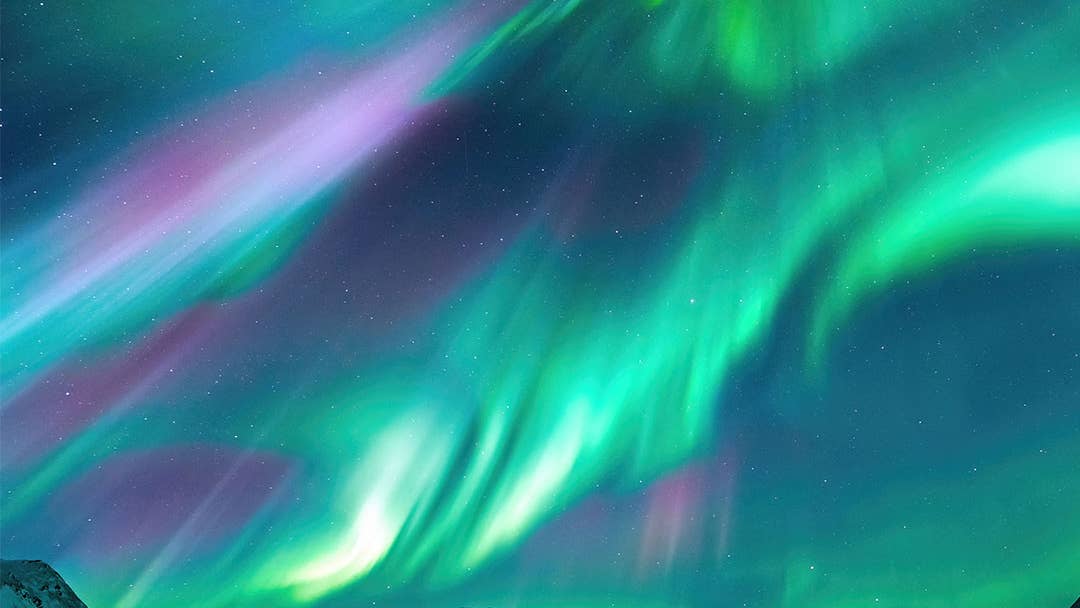
Noppawat Tom Charoensinphon/Getty Images
You Don’t Have to Wait for the Deep Freeze
Alaska’s aurora season generally stretches from late August into April, with the long, dark winter nights providing plenty of viewing opportunities. However, fall has advantages beyond avoiding the coldest part of an Alaskan winter.
The weeks around the fall equinox can bring increased geomagnetic activity, while September and October still offer enough daylight for hiking and other outdoor activities. For dedicated aurora hunters, Travel Alaska recommends spending at least three nights in the Interior or Arctic and heading outside each night, rather than betting an entire trip on one evening.
And there is no guarantee. Clouds can ruin the party regardless of what the sun is doing, and even strong auroral activity needs dark enough skies to become visible.
That makes a longer winter trip tempting. The latest seasonal maps show where to ski in the U.S., offering another excuse to build a cold-weather vacation around snow during the day and the sky after dark.
Alaska already has established aurora destinations such as Coldfoot Camp, Chena Hot Springs Resort, and Borealis Basecamp. But with four new options arriving this year, the 2026-27 season gives northern lights hunters a few more reasons to finally make that trip north.
source https://www.mensjournal.com/choice/why-fall-may-be-the-perfect-time-to-see-alaskas-northern-lights


Comments
Post a Comment